After a year of AI-generated noise, fashion marketers are making a surprising pivot — slower, more intentional, more human. Meanwhile, AI backlash is turning "made by humans" into a real price premium. The brands that earned trust quietly are about to cash that check.
Fashion Brands Are Slowing Down on Purpose. Thoughtful Creative Is the Counterattack Against AI Noise.
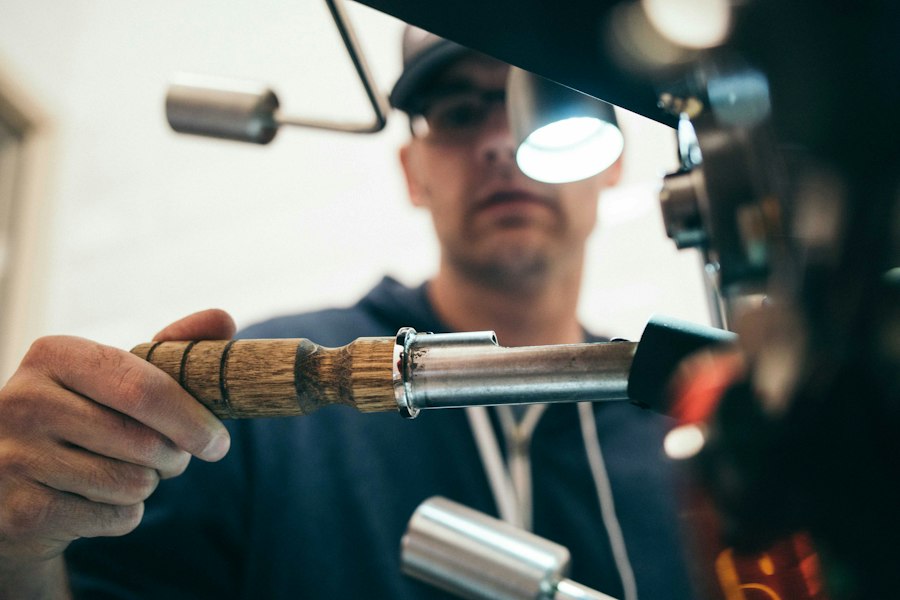
After a year of AI-generated content floods and maximum-volume strategies, fashion marketers are recalibrating. Business of Fashion reports that 2026 marks a deliberate industry pivot toward "slower advertising" — more considered creative risks, human connection over automation, and a willingness to earn trust rather than manufacture attention. Brands are recalibrating how they entertain, engage, and earn credibility in an era of consumer exhaustion.
The driver isn't nostalgia. It's math. Audiences bombarded with AI-generated content and templated influencer posts are rewarding brands that feel different — slower, more real, more earned. With influencer marketing expected to hit $44 billion this year, the space is also getting more complex: more creators, more platforms, more consumer resistance to obvious sponsorships. The brands winning are investing in depth over volume.
The brands that kept a human in the loop while everyone else was automating? That patience is now a competitive asset. "Slower advertising" isn't a retreat — it's a market positioning move. When your competitors all sound like robots, sounding like a person is a differentiator. We've been saying this for two years. The data is catching up.
This is the authenticity paradox in real time — the more brands automate to seem relevant, the more they erode the trust that makes relevance possible. In M455, we talk about this as brand equity decay: fast content at the cost of coherent identity. "Slower advertising" is really just brand management 101 reasserting itself against short-term velocity pressure.

"Human-Made" Is Becoming a Badge of Honor. AI Backlash Is Turning Authenticity Into a Price Premium.
Lippincott's 2026 brand trends forecast identified a clear signal: as AI-generated content becomes ubiquitous, "human-made" is resurfacing as a genuine differentiator — and a driver of price premiums for knowledge workers and craftspeople alike. Consumers are already celebrating the ability to toggle off AI content on platforms like Pinterest. Public vandalization of what Lippincott calls "dystopian AI ads" is increasing. The backlash is building.
The implication for brand strategy: this isn't just a vibe. It's a positioning opportunity. Brands that can credibly claim human craft, human judgment, and human relationship at the center of their product or service will command both loyalty and margin that automated competitors cannot match. The question is how to make that claim authentically — before it becomes its own kind of performance.
Every agency and brand that leaned all-in on AI content generation in 2025 is now holding a credential that's losing value. The brands that maintained human creative leadership — real voices, real judgment, real craft — are suddenly premium. This is not a permanent overcorrection. But it's a real window. If "Human Leader in the Loop" is your brand story, now is the time to tell it loudly.
Creators aren't competing with TV anymore. They won. New data from The Influencer Marketing Factory puts numbers to what practitioners already knew — and the infrastructure race to capture that value is accelerating on every front.
Creator Content Isn't Competing with TV Anymore. The 2026 Creator Economy Report Says It Won.
The Influencer Marketing Factory's 2026 Creator Economy Report, built from analysis of millions of creator channels and 1,000 surveyed respondents, delivers a definitive finding: creator-driven media has become an entertainment medium that rivals traditional TV — and by Gen Z's own self-report, it's already won. 56% of Gen Z now say creator content is more relevant than TV or film. 41% use social platforms as their primary search engine.
The audience is no longer just teens. The 25–34 age range is now the largest segment across YouTube, TikTok, and Instagram — Zillennials and younger Millennials with real purchasing power. 80% of surveyed brands either increased or maintained influencer budgets over the past year. And the competitive pressure is intensifying from both sides: more audiences becoming creators themselves, which is raising the quality bar and increasing competition for attention.
If 41% of your target audience is using Instagram or TikTok as a search engine, your SEO strategy and your influencer strategy are the same strategy. They just report to different people. That org structure problem is costing brands real money. The creator economy didn't replace media — it became the discovery layer. The brands building there now own consideration.
This is the foundational data point for the M455 Influencer Marketing course — and it just got an update. When 56% of your consumer base self-reports that creator content is more culturally relevant than professional media, the marketing mix model has to change. This isn't a channel allocation conversation anymore. It's a primary media question.
Creator Commerce Is No Longer Experimental. The Infrastructure Finally Works — and the ROI Proves It.
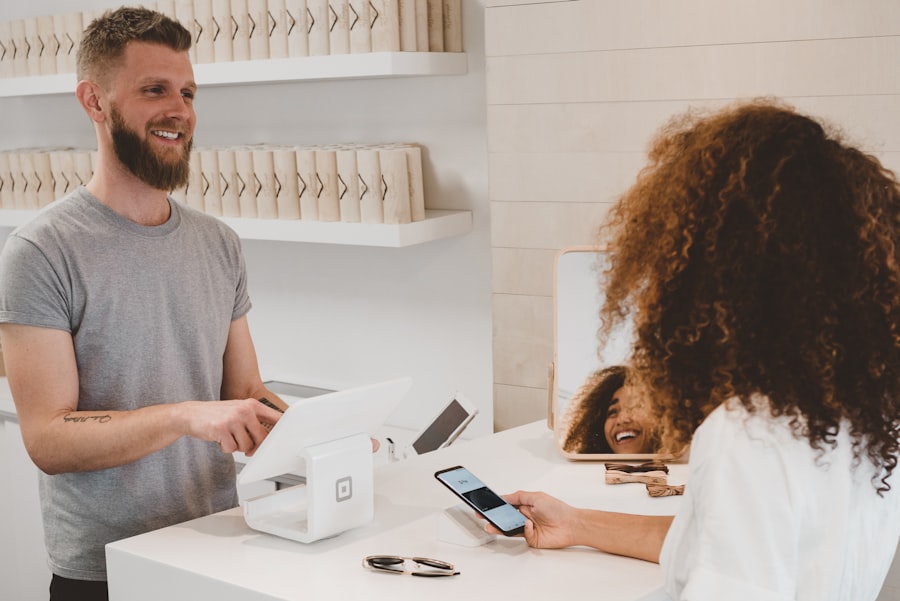
impact.com's 2026 influencer marketing performance analysis makes the case plainly: creator commerce has graduated from awareness play to full-funnel performance engine. During Cyber Week 2025, influencer-driven spend jumped 51% while commission costs stayed flat. 74% of brands are now moving budget into creator programs in 2026. The question has shifted from "does this work?" to "how do we scale it without losing the trust that makes it work?"
The performance gap between creator-led content and studio-produced ads is also widening. TikTok data shows creator ads delivering 70% higher click-through rates and 159% higher engagement rates compared to non-creator ads at the same CPM. Micro-creators in the 10K–100K follower range are emerging as the cost-efficiency sweet spot — audience trust translates directly to conversion in ways macro-influencer reach can't match.
Micro-creators aren't a budget compromise. They're a precision instrument. The brands still chasing mega-influencer reach are paying a premium for audiences that don't trust the messenger. A 50K-follower creator in a tight niche who actually uses your product will outperform a 2M-follower celebrity who posted once. Performance data is finally making that argument for us.
OpenAI's ad experiment is passing its first real test — and going global. Smartly.io just became the first creative partner for conversational commerce inside ChatGPT. The monetization of AI conversation is no longer theoretical. It has a rate card.

ChatGPT Ads Are Expanding Globally. Early Results Show No Trust Damage — and That's the Whole Game.
OpenAI announced on March 26 the next phase of its ChatGPT advertising pilot: expansion beyond the U.S. into Canada, Australia, and New Zealand, with more markets planned for 2026. The early data from the U.S. pilot is what makes this significant — no impact on consumer trust metrics, low ad dismissal rates, and improving relevance scores. For an ad model built entirely on the promise of "answer independence," those numbers are the product.
The format is clean: ads appear at the bottom of ChatGPT's responses for Free and Go tier users, clearly labeled as sponsored and visually separated from the organic answer. Plus, Pro, Business, and Enterprise subscribers remain ad-free. The monetization logic is straightforward — fund free access through advertising, protect the paid tier from it. What's less straightforward is the creative challenge: ChatGPT isn't Google. Users arrive in a conversational mindset. The traditional search ad playbook doesn't translate.
The brands showing up in ChatGPT ads right now are the early movers in a format that will be table stakes within 18 months. But here's the real test: conversational ad creative is a completely different discipline. A headline + description + landing page won't work in a chat interface. The agencies that crack the conversational format first will have an advantage that compounds. Start testing now, even small.
This is the Exec Ed AI Applications in Marketing case study writing itself in real time. OpenAI's principle of "answer independence" — ads don't influence ChatGPT's responses — is both a trust architecture decision and a regulatory preemption. Compare it to how Google handles search ads: same principle, very different execution. What does "sponsored" mean in a conversational context? That's your next class discussion.

Smartly.io Becomes OpenAI's First Creative Partner. Conversational Commerce Just Got a Rate Card.
Smartly.io has become the first creative ad-tech partner for OpenAI's conversational commerce initiative inside ChatGPT. The partnership introduces ad placements directly inside the ChatGPT interface, optimized in real-time based on performance and user interaction. This isn't experimental anymore — it's a structured creative partnership with a defined format, optimization logic, and presumably a rate card attached.
The implications are significant. Conversational commerce — where AI chat interfaces provide live shopping assistance — has been conceptually discussed for years. But this is the first time an ad-tech company has built direct creative infrastructure for it. For brands, the entry point is now real: structured ad placements, creative optimization, and audience targeting based on conversational context. The agencies that understand both AI and creative performance are the ones who will capture this early.
The old playbook was: awareness channel first, performance channel second. Conversational ads collapse that. A user asking ChatGPT to compare products is already deep in the funnel — they're in active consideration mode. That's a different kind of impression, and it deserves a different kind of creative. The brands ready for this aren't the biggest ones. They're the most agile ones.
AppLovin
🎤 Hannah Montana 20th Anniversary Special — Disney+/Hulu. Miley at 33, hosted by Alex Cooper. The nostalgia economy and the creator economy colliding in real time. Worth watching for the brand strategy alone.
💔 Love Story: JFK Jr. & Carolyn Bessette (FX/Hulu) — Ryan Murphy. 40M+ hours watched and still climbing. The Carolyn Bessette fashion revival continues to be the most interesting posthumous brand story on TV. The BoF angle on this is worth a read.
🏥 The Pitt — Still the most intense thing on television. Not slowing down.
📱 YouTube — Everything about Claude Cowork and what people are building with it. The use case library is growing fast.