Cannes Lions 2026 closes today, and the verdict is being written in real time. The dominant theme is not a single brand campaign or creative execution. It is an industry collectively deciding that the era of AI experimentation is over. Execution, governance, and measurable outcomes are the new standard.
Cannes Lions 2026 Verdict: The Future of Marketing Is No Longer Something We're Preparing For
As Cannes Lions 2026 closes its doors today, the most significant takeaway from the week is not a Lions Grand Prix winner or a viral brand activation. It is a tone shift. The industry has moved from "how might AI change marketing?" to "how are we implementing AI in our operating model right now?" That shift in tone, from possibility to accountability, is the most significant change from any prior Cannes in the AI era.
The closing session program reflects where the industry's head is: Omnicom's "Inside the Jury Room" panel with Chaka Sobhani, Chris Beresford-Hill, and Andres Ordóñez will unpack the judging criteria behind this year's most awarded work, with a specific lens on creativity, technology, and brand impact. Rich Silverstein of Goodby Silverstein presented a session on AI and storytelling through the development of a Broadway musical — proof that the most interesting AI creative work is happening where technology meets the most fundamentally human of artistic forms.
The week's emerging consensus: technology alone is not a strategy. Brands that will win in the next phase are those that understand human behavior deeply enough to use AI as an amplifier rather than a replacement. Cannes 2026 did not resolve the AI-versus-human creative tension. It made clear that the resolution is not a choice between them.
The week in a single sentence: everyone at Cannes now agrees AI is here, it is infrastructure, and the question is whether your organization is ready to run on it. The brands that used this week to announce AI operating models with named vendors and named executives behind them are already ahead. Everyone else is catching up. The runway is shorter than it looks from outside the festival bubble.
Cannes Lions has historically served as an industry agenda-setter — not just an awards show but a cultural moment that signals where the profession is heading. When the dominant discourse shifts from strategy to execution, from "should we" to "how are we," it marks an inflection point in technology adoption cycles. We are now firmly in the "early majority" phase of AI adoption in marketing. The "innovators" and "early adopters" window is closed.
Advertising Week: Cannes Lions 2026 Industry Analysis | Marketing Report: Omnicom Cannes 2026 Agenda
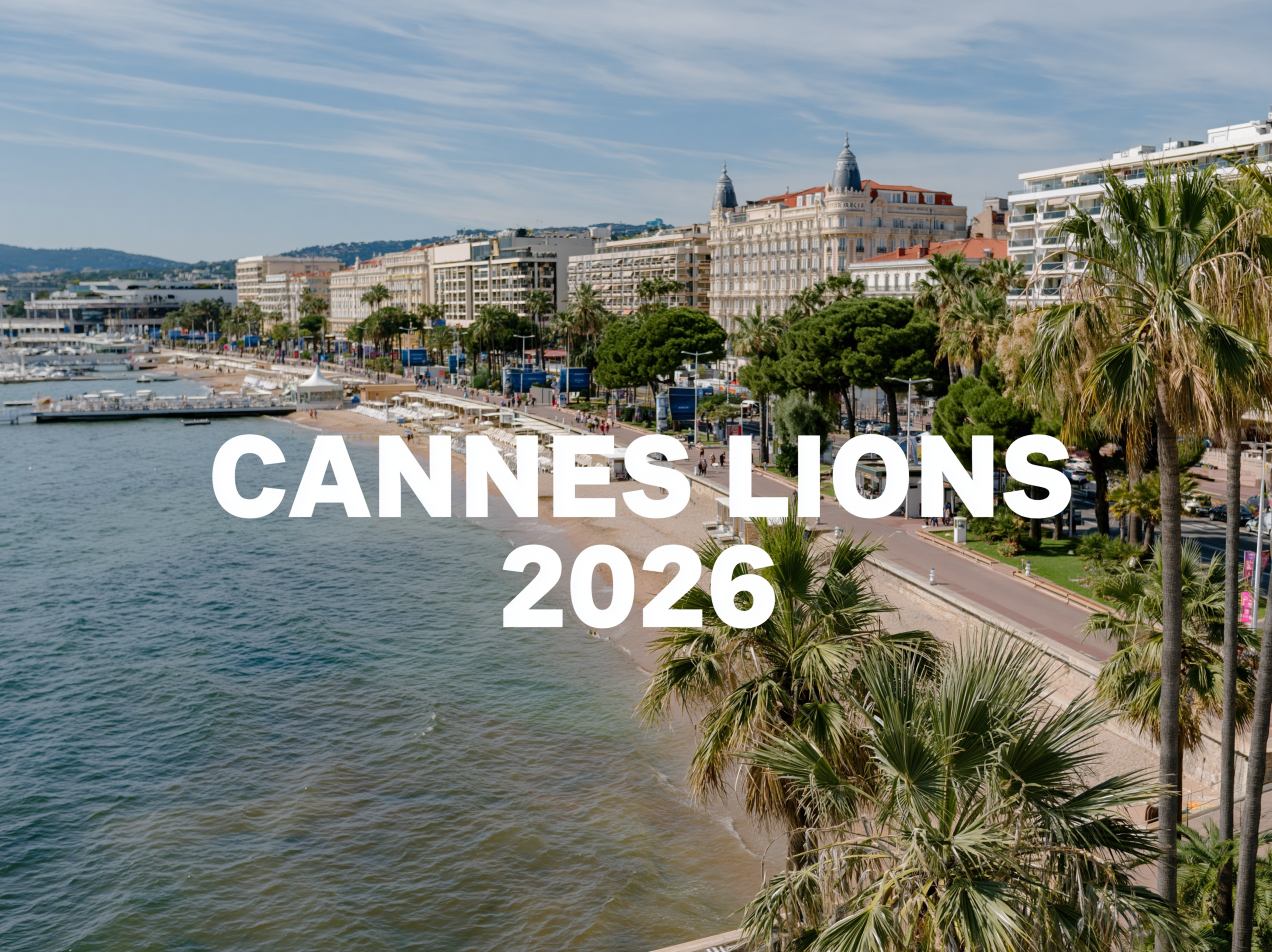
📷 Featured image: Cannes Lions 2026 Croisette — Photo Credit: Gemini.ai
VidCon 2026 opens today in Anaheim and the creator economy has a milestone week. This is the 15th anniversary of a convention that started with 1,400 YouTubers and now represents the largest gathering of creator culture professionals in the world. For brand marketers, it is where the next generation of partnerships are forming in real time.

VidCon 2026 Opens Today: Markiplier, Michelle Phan Headline the Creator Hall of Fame
VidCon 2026 officially opens its doors today at the Anaheim Convention Center, marking the event's 15th anniversary and its most ambitious program yet. The inaugural Hall of Fame ceremony takes place tonight at the Opening Ceremony, inducting Markiplier (gaming), Michelle Phan (beauty), Cassey Ho (fitness), and Philip DeFranco (independent news) — four creators who helped define entire content categories on the internet.
The programming this year reflects how professionalized the creator economy has become. Sessions like "Vertical Shorts Dilemma — Bubble or Boom?" and "Creator Economy State of the Union" are squarely aimed at the industry-track Pro Pass audience, not just fan attendees. The sports-creator crossover programming is notable given the FIFA World Cup and NBA Finals happening simultaneously with the event, creating real-time content opportunities for creator athletes.
For those tracking creator economy trends ahead of Creator Economy Live East (July 28-29), VidCon is this week's primary data source. Watch what format announcements platforms make from the expo floor and which creator-brand partnership structures are being celebrated as models.
Michelle Phan and Markiplier in the Hall of Fame is not nostalgia. It is a statement about who built this industry and what it was built on: authentic voice, consistent output, genuine community. The creators being celebrated tonight are the proof of concept that content creators can build lasting cultural influence without traditional media infrastructure. That blueprint is still the one the best creators are following in 2026.
Yahoo Entertainment: VidCon 2026 Preview and Hall of Fame | VidCon Anaheim 2026 Official Site
The ChatGPT Ads story this week crossed from "interesting test" to "material revenue channel" territory. The platform hit $100M in annualized revenue within its first six weeks of launch, while covering less than 20% of its eligible user base. OpenAI's 2026 target is $2.5 billion. That math requires watching.

ChatGPT Ads Hit $100M Annualized Revenue in Six Weeks — Now Expanding First-Party Audience Tools
OpenAI's ChatGPT advertising platform crossed $100M in annualized revenue within six weeks of its February 9 launch, while still covering less than 20% of its eligible user base. On June 17, OpenAI published new Ad Tools Terms that define two new capabilities: Audience Tools (first-party customer data uploads for custom audience building) and Creative Tools (AI-generated ad creative from brand materials like catalogs, site content, and logos). Neither feature was live in Ads Manager as of June 20, but the legal scaffolding is now in place for both.
The pricing evolution tells the platform maturation story clearly. Launch CPM was $60, requiring $200,000 minimum commitments. As of June 2026, CPMs have dropped to approximately $25, Criteo has reduced entry minimums to $10,000, and CPC bidding is available alongside impression-based options. The platform now counts Dentsu, Omnicom, Publicis, and WPP as agency partners, with tech integrations from Adobe, Criteo, Kargo, Pacvue, and StackAdapt.
The risk still exists: 63% of U.S. adults say ads in AI search would make them trust the output less. But with 500M+ weekly active ChatGPT users and conversational intent targeting that outperforms keyword-based search, the value proposition for early-mover brands is real. The brands registering now are buying learning and data before the auction prices normalize.
$100M in six weeks while covering less than 20% of the user base is one of the fastest advertising platform launches in history. For context: Google took four years to reach $2.5 billion in ad revenue. OpenAI is targeting that in year one. Whether they hit it or not, the velocity signal is clear — this is a real channel and the early-mover advantage window is measured in months, not years. If you have been thinking about registering at ads.openai.com, this week is the week.
What makes ChatGPT ads structurally different from search advertising is the intent density. When someone types a keyword, you know their search term. When someone has a conversation with ChatGPT about their needs, the advertiser gains far richer context: decision stage, alternatives being considered, specific use case, and conversational history. From an information economics perspective, that is a dramatically higher-quality signal than a keyword. The question is whether brands learn to write for it before the channel matures and entry prices rise.
Today's infrastructure pick: Datadog (DDOG) — the observability and monitoring platform that has become essential infrastructure for every organization running AI workloads in production. Strong Buy consensus. Quietly one of the most important companies in the AI stack.
📈 DDOG — Datadog, Inc.
Datadog provides cloud monitoring, observability, and security for applications running in data centers and cloud environments. As every major enterprise deploys AI workloads in production, monitoring those systems becomes mission-critical. DDOG has become the default observability layer for AI-at-scale. TipRanks named it a Strong Buy alongside ANET and ETN in their May 2026 data center picks report. The AI buildout creates a durable tailwind for any company that monitors what AI runs on.
DDOG is the software layer that tells you when your AI broke. As enterprises scale AI from pilot to production, the monitoring problem becomes enormous. Every model, every pipeline, every API call needs observability. Datadog is already embedded in the workflows of the companies building the AI stack. That is a very sticky revenue model in a market that only grows as AI deployment accelerates.
⚠️ Not investment advice. Verify independently before any decision. Past performance does not guarantee future results.
The shows, channels, and events worth your attention this week.