The Cannes Lions 2026 story of the week is not a single award or announcement. It is an industry confronting the gap between what it is building with AI and what consumers actually trust. Consumer trust in AI-generated content dropped from 82% to 54% in 12 months. That gap is a brand strategy problem.
Consumer Trust in AI Content Collapses From 82% to 54% in Just 12 Months
A new study from Fractl and Search Engine Land has surfaced a critical countertrend to the AI marketing boom: consumer trust in AI-powered search and content is falling sharply. Just one year ago, 82% of consumers said they enjoyed AI-powered search experiences. That number has dropped to 54%. AI usage among consumers has actually increased to 70% over the same period, which means people are using AI tools more but trusting the outputs less.
The brand implications are stark. Among Gen Z consumers specifically, 54% say discovering that a brand uses AI in its marketing would negatively affect their trust in that brand. The study finds 84% of all consumers want AI-generated content clearly labeled. Authenticity is not just a value. In 2026, it is becoming a legal and commercial expectation.
The paradox this creates for marketers: efficiency through AI is real and demonstrable. But the consumer trust premium for human-made, authentic brand communication is also real and measurable. The brands that win will not choose between them. They will build the AI systems but put the human leader visibly in the loop.
"Human Leader in the Loop" is not a tagline anymore. It is a measurable business advantage. Every piece of content you produce needs to carry a human signature, a real perspective, a real name. The brands trying to pass AI output as fully human-made are going to get caught — and the trust penalty will be severe. Transparency is not a nice-to-have. It is now the baseline for credibility.
This is a classic credibility paradox. Technology adoption curves typically move faster than trust curves. We see the same pattern with social media in the 2010s — platform growth outpaced user trust consistently until regulation and platform design changes recalibrated the relationship. Brands that proactively disclose AI use and demonstrate human oversight will differentiate precisely because most won't until they are forced to.
Ignite Visibility: Digital Marketing News June 2026 (Fractl/SEL study)
VidCon 2026 opens tomorrow in Anaheim, marking 15 years since John and Hank Green launched the world's first creator convention for 1,400 people. Now it draws 55,000+. The programming this year reflects a creator economy that has matured into a professionalized, diversified media industry.
VidCon 2026 Opens Tomorrow — 15 Years In, the Creator Economy Has a Convention the Size of a Small City
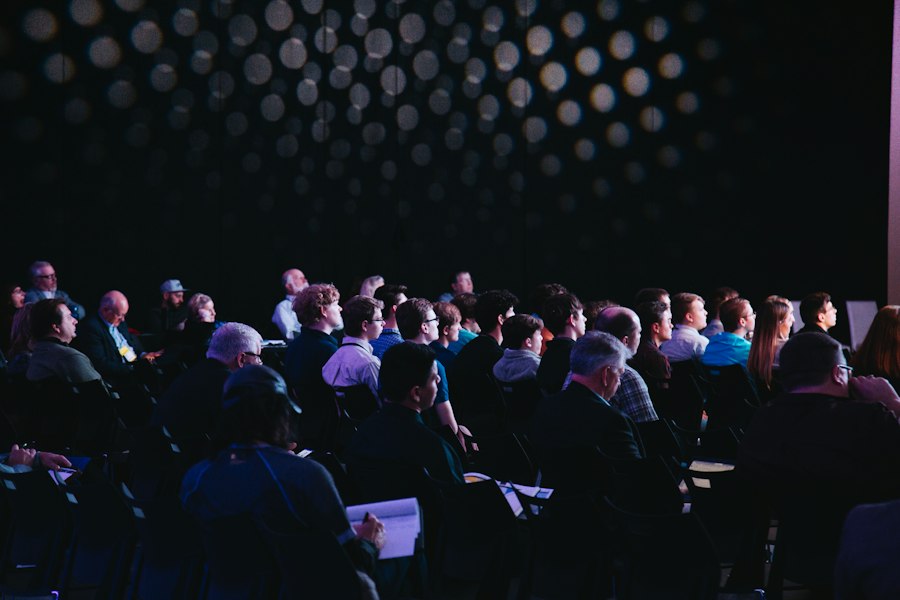
VidCon Anaheim 2026 opens June 25 at the Anaheim Convention Center, marking the event's 15th anniversary. What started as a 1,400-person gathering organized by the Vlogbrothers in 2010 now attracts more than 55,000 attendees across three days, making it one of the largest media industry events in North America by headcount.
This year's inaugural VidCon Hall of Fame will induct Markiplier, Michelle Phan, Cassey Ho, and Philip DeFranco, representing the gaming, beauty, fitness, and independent news lanes of creator culture. The programming reflects how far the creator economy has expanded: sessions include "The Vertical Shorts Dilemma — Bubble or Boom?" and "Creator Economy State of the Union," alongside a dedicated Creator Pickleball Arena and a GorillaCon immersive gaming experience.
For brand marketers, VidCon 2026 is where the deals are made. The event is a convergence point for platform leaders, brands allocating influencer budgets, and the creators they want to partner with. The Creator Economy, valued at $250B+, now has its own annual industry summit.
Fifteen years ago, VidCon was a YouTuber meetup. Today it is the creator economy's Cannes — where platforms announce features, brands make deals, and talent signs partnerships. If you are serious about influencer marketing and you are not at VidCon, you are making decisions about a channel you have never actually visited in person. Creator Economy Live East in July is our next shot.
At Cannes Lions Day 3, the AI content conversation got its most substantive airing of the week. OpenAI's CRO, Google's CMO, and JPMorganChase's CMO shared a stage to discuss "Winning the AI Discovery Era." The takeaway: AI discovery is a media channel now, and brands need to start treating it like one.
OpenAI, Google, and JPMorganChase Share a Cannes Stage to Discuss the AI Discovery Era
The most-anticipated session at Cannes Lions Day 3 paired OpenAI's chief revenue officer Denise Dresser with Google CMO Lorraine Twohill and JPMorganChase CMO Carla Hassan for a session titled "Winning the AI Discovery Era: Marketing To Minds and Machines." The session took place at the Carlton Hotel and reflected how seriously the financial and consumer brand worlds are now taking AI-native advertising and AI-native brand discovery.
The convergence of these three CMO-level voices on a single AI advertising panel signals a transition: AI search and advertising is no longer an experimental discussion at Cannes. It is a budget line item. Brands at the level of JPMorgan and Google are actively building strategies for how consumers will discover their products through AI intermediaries rather than traditional search or social feeds.
Lions Sport also debuted as a new Cannes program on June 24-25, bringing the NFL, Fenway Sports Group, LIV Golf, and the All England Lawn Tennis Club together to address how sports marketing must evolve beyond traditional sponsorship structures that, in the words of the program description, "no longer deliver cultural relevance."
When OpenAI's CRO is on the Cannes Lions main stage next to Google's CMO and JPMorgan's CMO, ChatGPT Ads is no longer a startup experiment. It is a tier-one media channel being evaluated by tier-one marketers. Small agencies and solo practitioners who register at ads.openai.com today are buying the same early-mover advantage that early Facebook advertisers had in 2008.
Today's infrastructure pick: Taiwan Semiconductor Manufacturing (TSM) — the foundry that manufactures chips for virtually every AI winner. Nvidia, Apple, AMD, Google, Broadcom all use TSMC. It is the most concentrated single-point dependency in the global AI supply chain.
📈 TSM — Taiwan Semiconductor Manufacturing
TSMC manufactures the physical chips designed by virtually every major AI semiconductor company. The 2nm node is now in mass production at wafer prices reportedly above $30,000. Q1 2026 gross margins hit a record 66.2%. TSMC revised its global semiconductor market forecast to $1.5 trillion by 2030, with AI/HPC accounting for 55% of that total. The company holds an irreplaceable position in the AI supply chain.
TSMC is the only company every major AI player cannot replace. Nvidia can't move without TSMC. Apple can't move without TSMC. AMD can't move without TSMC. That is extraordinary pricing power and moat. The bear case is real — 90% of advanced capacity in Taiwan is a geopolitical risk you cannot hedge. Position accordingly: it is a core AI infrastructure hold, not a speculative bet.
⚠️ Not investment advice. Verify independently before any decision. Past performance does not guarantee future results. Geopolitical risk (Taiwan Strait) is a material factor for TSM specifically.
The shows, channels, and events worth your attention this week.