A heritage brand swaps nostalgia for sourcing and speed, then reports early numbers.
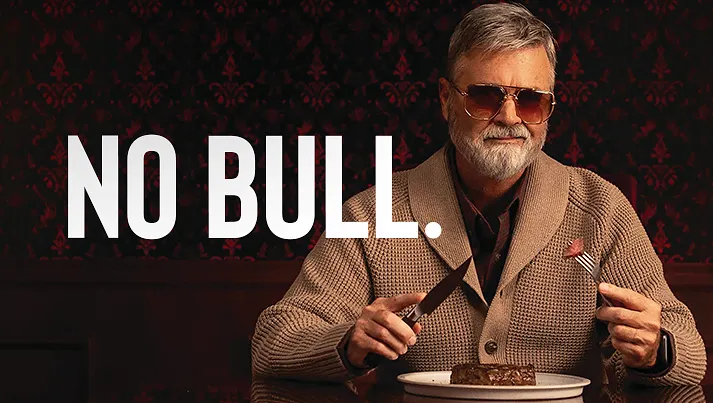
Omaha Steaks ditches the marketing bull to reach Gen Z
Omaha Steaks launched its 'No Bull' campaign and brand platform in September, running across TV, radio, YouTube, podcasts, paid social and influencer partnerships. It follows the 'America's Table' campaign from June, which included the brand's first national ad. About two weeks after launch, the company reported a 46% increase in conversion rates and a 130% increase in social media mentions. The 30-second spot opens with a voiceover that says, 'Sure, Omaha Steaks has been around for 109 years, but If you think we're just your grandpa's steak company, think again,' and closes with a promotional offer.
The platform leans on specifics rather than heritage. Senior Director of Growth Marketing Angie Kubicek said, 'Consumers are busy and they don't want to have to give you guesswork,' and defined sourcing plainly: 'For us, that means that it was sourced from the United States.' The company has cut average delivery time from more than six days to about two days since the start of 2025, with same-day delivery in nearly 50 markets. Country-of-origin claims matter here because U.S. beef and pork distributors generally do not have to disclose origin unless they use the voluntary USDA 'Product of USA' label.
Heritage brands usually lean on age. Omaha Steaks leans on a claim a shopper can verify, where the beef came from and how fast it arrives, and it makes the age a joke instead of the pitch. That is the right move for a 109-year-old brand. If your client's story is 'we have been around forever,' find the proof point that is true today and lead with that.
The 46% and 130% figures are company-reported from the first two weeks of a new platform, so they are early indicators and not a full-quarter result. Ask for the baseline period and whether the promotional offer in the spot drove part of the conversion lift.
A young beauty brand shows what a creator co-design can do when the creator keeps creative control.
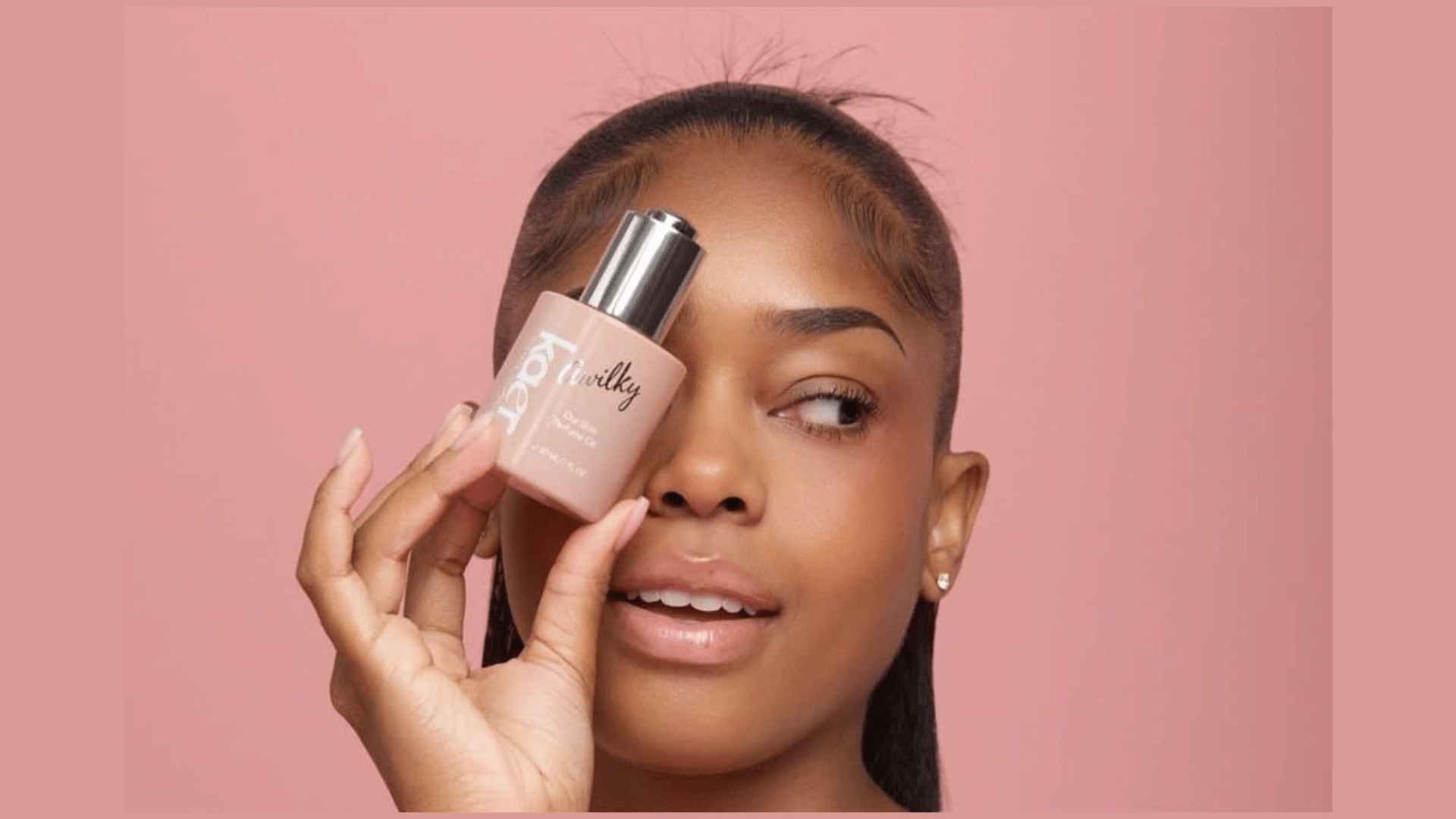
Kaer let a creator's community co-design a fragrance that sold out in under a day
Fatima Farouk founded Kaer in late 2024, making perfume oils, scented dry body oils and body care. The brand had no fragrance in development until its collaboration with creator Alexis Wilkerson began in summer 2025. Wilkerson's audience gave input on notes and scent families before the scent was chosen, formulation ran through early 2026, and 'Our Skin' launched Aug. 29 at 3 p.m. The last order came in at 10 a.m. the next day. In that 19-hour window, 'Our Skin' brought in $96,159 of Kaer's $111,597 total, about 1,600 orders with over 80% from first-time customers.
The structure mattered. Wilkerson kept creative control over scent direction and naming while Farouk retained formulation and manufacturing. 'It wasn't like we have a fragrance and then we slap Alexis on the bottle,' Farouk said. Wilkerson's rule: 'Don't be a dictator.' The single-day total beat Kaer's best prior month, about $63,000 in February 2026, and equaled roughly 70% of its full-year 2025 revenue. Production was 1,030 units of the 10ml size and 597 of the 40ml size, both above plan, and a waitlist of over 2,700 people is waiting on a planned restock.
A name on a bottle is an endorsement. A creator's audience helping choose the scent is a product launch. Kaer built demand before the first unit shipped, and it shows in the numbers. Brands still paying creators for a post and an unboxing are buying the weaker version. Ask what your creator's audience would actually tell you to make.
This is a small-sample, brand-reported case from a company founded in late 2024, so treat the revenue figures as one launch and not a repeatable rate. The transferable part is the contract design: the creator holds creative direction, the brand holds manufacturing, and the audience is involved before the product exists.
A creator with a 4 million audience tests whether YouTube reach converts to box office.
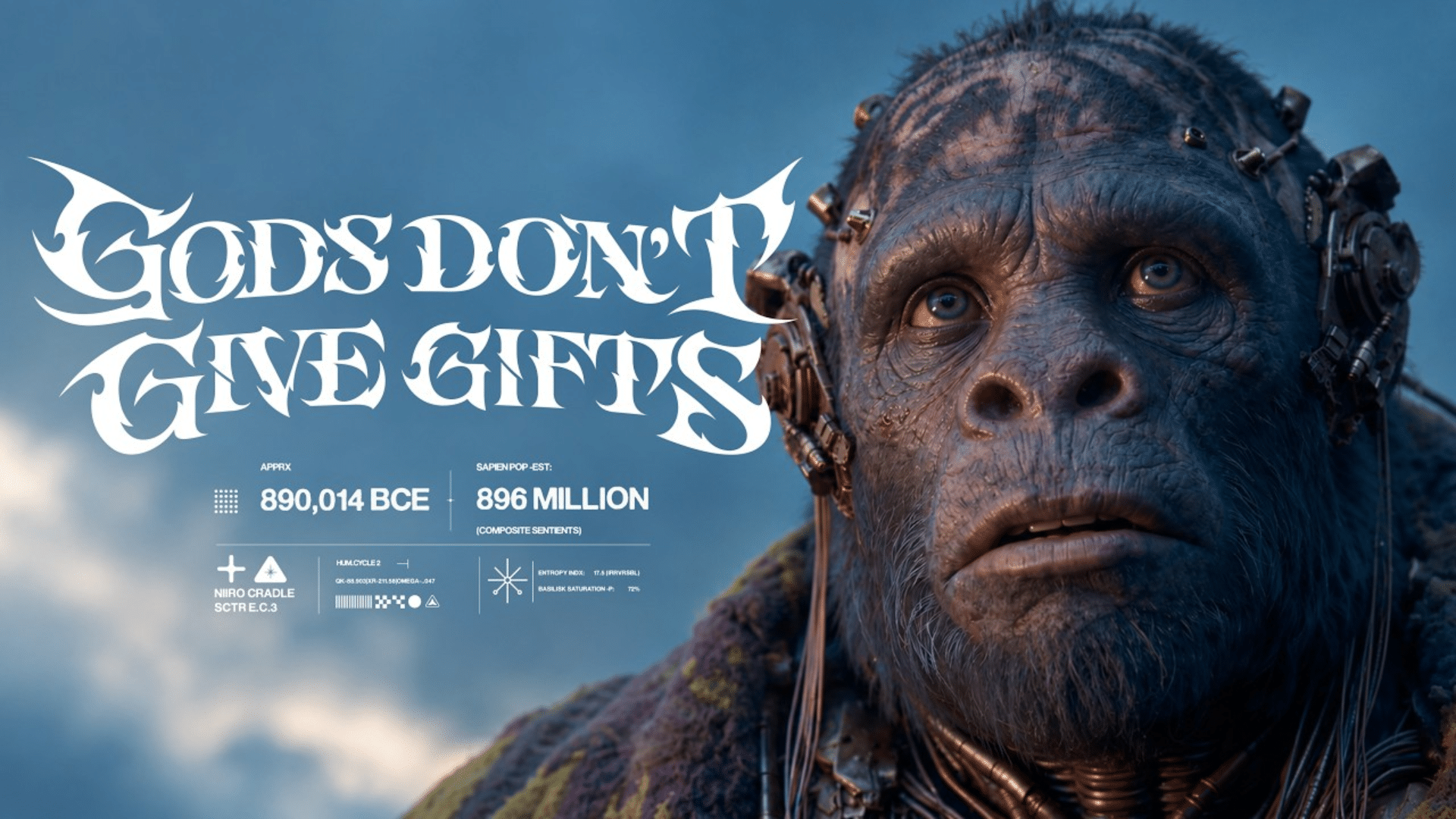
YouTuber Gossip Goblin moves his AI film to December for an Oscar campaign
Zack London, the YouTuber known as Gossip Goblin, has moved the U.S. theatrical release of 'Gods Don't Give Gifts' from Oct. 30 to Dec. 4 to support a Best Animated Feature Oscar campaign. The R-rated anthology spans four stories in London's universe of 13 cycles and will play on fewer than 1,000 U.S. screens. London has an audience of roughly 4 million, and the article says 60% of it lives outside the U.S. The first trailer is running in theaters in Los Angeles, New York and other cities, with Los Angeles billboards the next month.
The test is whether a creator audience will buy tickets. Fable CEO Edward Saatchi said, 'If people think of this like a normal movie, then it should actually do quite well,' and called it 'this generation's Toy Story.' London said he made the films with AI 'with minimal filters, intervention, committees or constraints.' The Academy banned AI actors and AI-assisted scripts in May. For comparison, Variety reports Markiplier's 'Backrooms' grossed $401 million and 'Iron Lung' grossed $51.2 million.
This is a distribution experiment, not a gimmick. If a creator with a 4 million audience can fill theaters with an AI-made feature, every brand-content team has to rethink what 'production value' costs. The Academy rule on AI actors and scripts shows the industry is already drawing lines. Watch the opening weekend before you pitch a client an AI-first film.
Look at the comparison set. Markiplier's two releases grossed $401 million and $51.2 million per Variety, a spread of nearly 8 to 1 between two creator films. Creator reach does not convert to box office at a fixed rate, so one comp is not a forecast. Use a range.
YouTube is where today's AI-film creator built his audience, which puts Alphabet on our watch list.
Alphabet (GOOGL): the platform where creator audiences are built
Zack London's audience was built on YouTube, and Net Influencer's reporting calls him a YouTube creator. We are not claiming this film is an Alphabet earnings driver. The editorial point is narrower: creator reach on YouTube is now being tested against theatrical box office, and that is the kind of conversion data advertisers watch before they commit budget.
On Oct. 8 GOOGL closed at $348.29, down 0.63%, after a 0.81% gain on Oct. 7. The Oct. 22 StockAnalysis snapshot shows a Strong Buy consensus across 62 analysts and an average target of $430.51. Those are third-party figures that move daily, so verify them independently.
If YouTube creators start proving they can move people from a feed to a ticket line, advertisers will pay differently for that audience. Alphabet is the platform on our watch list for that shift. This is a watch item, not a recommendation.
⚠️ Not investment advice. Verify independently before any decision.
The standing list, straight from Kelly.
Hannah Montana 20th Anniversary Special
Disney+/Hulu. Miley at 33, hosted by Alex Cooper.
Disney+ / HuluLove Story: JFK Jr. & Carolyn Bessette
FX/Hulu. Ryan Murphy. 40M+ hours watched.
FX / HuluThe Pitt
Still the most intense thing on TV.
MaxYouTube
Everything about Claude Cowork.
YouTube