A festival that raised $10 million before opening its gates is proof that cause and culture, done right, can be the same marketing moment.
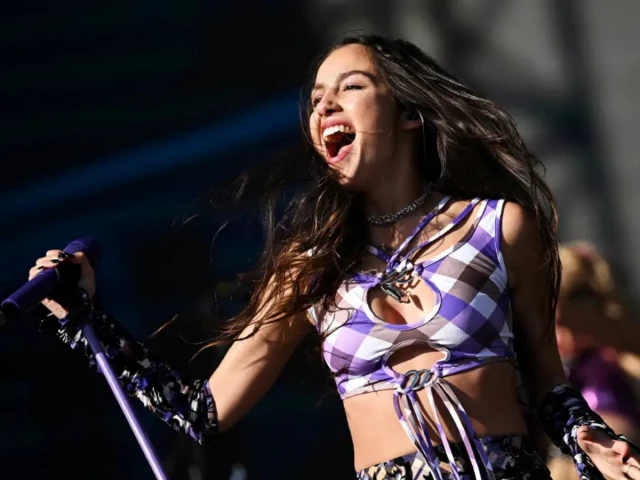
Olivia Rodrigo Just Raised $10 Million Before Her Festival Even Started. Every Artist Waived Their Fee to Get There.
Olivia Rodrigo's inaugural Daisy Chain Fields festival takes place today at Great Park in Irvine, California, a single-day, all-women and female-fronted lineup inspired directly by 1990s festival Lilith Fair. Ahead of the event, Rodrigo announced the festival had already raised $10 million for nonprofit partners working across reproductive rights, maternal health, economic empowerment, domestic violence prevention and gender equity, including Baby2Baby, the Center for Reproductive Rights and Planned Parenthood.
"I'm so grateful to every person who bought a ticket, every artist who waived their fee, every sponsor for signing onto a brand new festival," Rodrigo said at a press conference. The lineup includes Chappell Roan, Doechii, Bikini Kill, Garbage, Mitski, Santigold and The Breeders, with special guest appearances from Karen O, Sarah McLachlan and Stevie Nicks. Beyond performances, the festival offers educational resources, community art experiences and immersive installations tied directly to the benefiting nonprofits.
Every artist waiving their fee is the detail that makes this land as authentic rather than performative. That's the hardest thing to fake in cause marketing, real financial sacrifice from the people involved, not just branded content about a cause. Brands sponsoring this event get to borrow that credibility, but only the ones showing up with something real of their own, not just a logo on a banner, actually earn it.
Excellent case for Influencer Marketing Practicum on cause-driven event marketing versus performative activism. Have students identify what specifically makes the fee-waiving detail credible versus what would have made this read as a branding exercise, then map which sponsor activations at the festival reinforce or undercut that credibility.
Athleta's Bet on "My World. My Rules." Gets Its First Live Test Today. The Brand's Festival Activation Opens Now.
Athleta's sponsorship of Daisy Chain Fields, announced earlier this week alongside its bolder "My World. My Rules." campaign, gets its first real-world test today. The brand's on-site "Athleta World" activation offers festivalgoers a cool-off area, guided meditation and exclusive merchandise, a direct extension of the "female-first world" positioning CMO Erika Everett described as the brand's next chapter.
This is the fast-follow moment that actually tests whether a rebrand has legs. A campaign film is one thing, a live activation where real customers show up and experience the "bolder, more provocative" positioning in person is the actual proof point. Worth watching social sentiment from today's event closely.
Callaway Cut Ties With Good Good Golf in 24 Hours. The Ad That Caused It Depicted a Man Shoving a Woman to the Ground.
A 15-second promotional clip released Aug. 21 for a co-branded driver showed golf creator Garrett Clark charging at fellow creator Alexis Miestowski from behind, shoving her to the ground, then standing over her saying "Do not touch my new driver." Good Good Golf and Callaway later said the spot was intended as a parody of the horror film "Obsession," but the ad drew immediate, widespread condemnation for trivializing violence against women.
The fallout compounded fast. Callaway ended its partnership with Good Good Golf "effective immediately" on Aug. 27 and committed $1 million to domestic violence awareness and prevention organizations. Good Good Golf stepped down as title sponsor of a November PGA Tour event in Austin. Dick's Sporting Goods, Golf Galaxy, Target and PGA Tour Superstore all pulled Good Good merchandise, and Golf Channel canceled the upcoming season of "Big Break x Good Good" ahead of its premiere.
Good Good's co-founders issued video apologies calling the ad "not what we stand for," but tension escalated publicly when CEO Matt Kendrick accused Callaway's marketing team of vetting and approving the ad before release, calling Callaway's response a "coordinated media blitz" to shift blame, and signaling he's considering legal action.
Every partner in this chain, Callaway, the PGA Tour, retailers, moved within days, not weeks. That speed is the story as much as the ad itself. Whether or not Callaway's marketing team actually approved the spot, as Good Good's CEO alleges, the lesson for any brand in a co-branded content deal is the same: know exactly what's in your creative approval process, because when something goes wrong, every partner attached to it moves to protect themselves first.
Strong Brand Management Practicum case on co-branded content risk and crisis response sequencing. Have students map the exact order of events, ad release, backlash, apology, partnership termination, and identify at which point earlier intervention could have changed the outcome. Also worth examining the public dispute over who approved the creative, a recurring flashpoint in brand partnership crises.
Tarte Sent Creators Photos Marked Up Like Surgical Consult Sheets. Some Called It Fun. Others Called It Harmful.
Tarte Cosmetics is facing backlash over its marketing for Snatch Stick, a $26 contour and brush tool the brand describes as delivering "an instant face lift effect, no needles required." To promote the launch, Tarte sent creators PR boxes containing photos of themselves marked up with dotted lines resembling a plastic surgeon's pre-op notes, and dispatched a converted "glambulance" staffed with makeup artists in scrubs offering on-site "snatch consultations."
Critics say the campaign implies people need cosmetic procedures to look acceptable and trivializes emergency medical services; some creators described receiving the marked-up photos as invasive. A Tarte spokesperson said the campaign "was always about makeup artistry and having fun with contour," intended to show what makeup can achieve without a procedure, not to suggest anyone needs one. The brand also said the campaign beat its internal sales projections despite the criticism.
Sales beating projections despite backlash is exactly why brands keep making this trade-off, controversy drives visibility, and visibility drives sales, at least in the short term. But "it worked commercially" and "it was the right call" are two different questions, and Tarte has been here before with prior PR controversies. At some point repeated controversy stops reading as edgy and starts reading as a pattern.
Good AI Applications and Brand Management crossover on the "all press is good press" question with real data attached. Ask students to weigh Tarte's sales outperformance against the qualitative backlash and repeated pattern of controversy, then debate whether short-term sales lift justifies long-term brand trust risk.
An all-women festival lineup with this much star power is its own creator economy moment, no paid partnership required. Elsewhere, one CEO's TikTok clapback shows exactly how not to handle a viral customer complaint.
Daisy Chain Fields' Lineup Is Its Own Content Engine. No Brand Deal Needed.
With Chappell Roan, Doechii, Mitski and Stevie Nicks all on one bill, Daisy Chain Fields is generating organic creator and fan content at a scale most brands pay millions to manufacture. Rodrigo personally invited many of the artists, and the festival's tie to Lilith Fair founder Sarah McLachlan, who appears as a special guest, gives the event a built-in generational storyline that's already circulating widely on social platforms like TikTok.
This is what organic reach actually looks like when the underlying idea is strong enough. No brand needed to pay for this content, it's happening because the lineup itself is the hook. Brands sponsoring the event get to ride that wave, but only if their activation adds something fans actually want to post about.
A Comedian Complained His Couch Came in 24 Boxes. LoveSac's CEO Turned It Into a Referendum on Masculinity.
Creator Deric Cahill posted a TikTok showing his new Lovesac Sactional arriving in 24 separate packages, joking about the assembly ordeal. Lovesac CEO Shawn Nelson responded with a video suggesting Cahill needed "size small" gardening gloves to assemble it, which was posted, deleted, then reportedly reposted. The official Lovesac TikTok account followed with an ad showing a woman assembling the couch easily, pointedly referencing "tiny little gloves."
What started as a simple product-experience complaint escalated into commentary on masculinity, a turn several observers noted was an unusual place for a furniture brand to end up. Public sentiment largely sided with Cahill, and the CEO's continued engagement, rather than a simple acknowledgment of the assembly complaint, kept the story alive across multiple news cycles.
A legitimate customer complaint about packaging and assembly was a fixable problem. Making it personal, and then making it about masculinity, is how a brand turns a one-day story into a week-long one. When a CEO responds directly to a viral complaint, the safest move is almost always acknowledgment over comebacks. The joke rarely lands the way it does in the room where it's written.
Excellent Influencer Marketing Practicum case on executive social media response and crisis escalation. Have students identify the exact moment the story shifted from "product complaint" to "brand crisis," likely the CEO's personal reply, and draft an alternative response that acknowledges the complaint without escalating.
ChatGPT Ads Manager holds steady heading into the weekend, same footprint as earlier this week.
ChatGPT Ads Manager: No New Updates This Weekend, Nine Markets Remain Live
ChatGPT Ads Manager's self-serve access remains available in nine countries heading into the weekend, with the 31-country European expansion still moving through OpenAI's Ads Solutions team and agency partners ahead of expected self-serve access later this summer. No new product updates have landed since earlier this week.
Quiet weekend on this front. Good moment to catch up on testing if you've been putting it off, rather than waiting for the next feature drop.
Live Nation-adjacent event infrastructure and ticketing platforms benefit whenever cause-driven festivals like Daisy Chain Fields scale up demand.
Roku (ROKU): Streaming's Ad-Supported Play Benefits as Live Events Go Digital-First
As cultural moments like Daisy Chain Fields increasingly get amplified through streaming clips, creator content and connected TV coverage rather than traditional broadcast alone, platforms like Roku with strong first-party viewership data stand to capture more of that attention and the ad dollars following it.
Live event marketing is shifting fast toward digital-first amplification, and CTV platforms with data-rich audience insight are positioned to benefit as brands chase that same audience across screens.
Repeat pick from earlier this month, and still relevant: every cultural moment that gets its real reach through clips and streams instead of a single broadcast slot reinforces the same thesis. Worth tracking through fall as more of these cause-driven cultural events land.
⚠️ Not investment advice. Verify independently before any decision.
The standing lineup, no changes today.
NBA Finals Recap
The Knicks won the championship. Still the standing sports pick until something replaces it.
ABC/ESPNClaude for Small Business
Anthropic's push into small business tooling. Worth tracking as a comp for our own AI-in-the-loop positioning.
AnthropicAnthropic IPO S-1
$965B valuation, $47B run rate. Watching how the media frames the filing as it moves through the process.
S-1 FilingSilicon Valley Girl
Still the sharpest lens on tech culture from the inside. Recommended for anyone building a personal brand in AI.
YouTube"The Art of the Brand" Podcast
Camille Moore and Phillip Millar keep delivering the best brand-strategy conversations in podcast form right now.
PodcastTed Lasso, Season 4
Premiered August 5. Ten episodes, weekly, through October 7. Early word is it earns the return.
Apple TV